Plan Your New Construction Timeline
A Clear Path To Buying Your New Home
Navigate the process of purchasing new construction with structured guidance from lot selection to closing. Review timelines, financing steps, and move-in planning.
Structured Home Buying Assistance in Omaha, NE
Purchasing a newly built home is an exciting milestone, but it can also feel overwhelming without clear direction. Buyers searching for home-buying assistance often find themselves juggling financing discussions, construction timelines, design selections, and closing preparations all at once. In Omaha, NE, where new home construction continues to grow, the number of decisions can quickly become difficult to manage.
Many buyers struggle with understanding how the construction process aligns with mortgage approval. Questions arise about lot deposits, build timelines, inspection stages, and final closing costs. Others feel uncertain about the difference between buying a move-in-ready home and purchasing a new home construction that has not yet begun. Without structured guidance, the process can feel fragmented.
Clear home-buying assistance provides stability. Instead of navigating multiple conversations independently, buyers move through defined milestones. From reviewing community options in Omaha, NE, to coordinating financing and construction schedules, each step follows a logical progression. Transparency replaces uncertainty.
Whether you are purchasing your first property, transitioning from an existing home, or investing in a newly built residence, structured planning ensures clarity. Through organized consultations and defined timelines, your home purchase remains steady from contract to closing. Schedule your consultation today and begin your new home journey with a system designed for reliability.
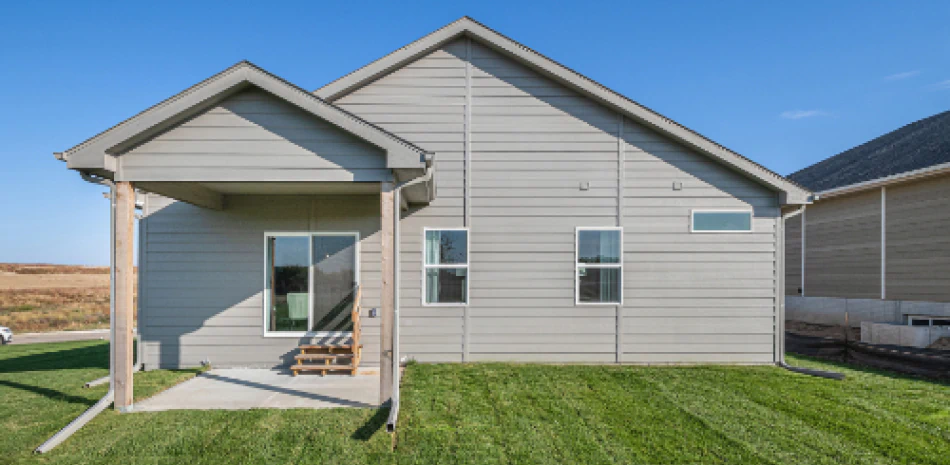
Understand The New Construction Buying Process
Buying new construction differs from purchasing an existing home. With home-buying assistance in Omaha, NE, buyers gain visibility into each stage before construction begins.
The process typically starts with community and lot selection. Buyers evaluate neighborhood amenities, school districts, commute times, and development phases. Selecting the right location is the foundation of a successful purchase.
Next comes floor plan alignment. Buyers review layout options that fit their lifestyle and budget. Whether selecting a semi-custom design or a move-in ready property, clarity in this phase prevents costly revisions later.
Financing coordination follows. Construction loans or traditional mortgage structures must align with projected build milestones. Early discussions with lenders ensure approvals are in place before construction progresses.
Design personalization may be part of the process. Buyers selecting new home construction often choose finishes such as cabinetry, flooring, and lighting within organized timelines.
Key buying stages:
- Community and lot selection
- Floor plan evaluation
- Financing pre-approval coordination
- Design selection scheduling
- Construction milestone review
- Final walkthrough and closing preparation
Each stage builds upon the previous one, creating a predictable path forward for buyers in Omaha, NE.
Compare Move-In Ready And To-Be-Built Options
When seeking home-buying assistance, many buyers wonder whether to purchase a completed property or begin new home construction from the ground up.
Move-in-ready homes provide quicker occupancy. These properties often include pre-selected finishes and established timelines for closing. Buyers benefit from knowing exactly what they are purchasing before signing.
To-be-built homes allow greater personalization. Buyers can adjust layouts, select finishes, and tailor structural features within defined guidelines. While timelines may extend several months, personalization provides flexibility.
Understanding the trade-offs between these options helps buyers make informed decisions. In Omaha, NE, where both available homes and semi-custom builds are common, structured consultations clarify which approach aligns with your goals.
Financial planning also differs between these options. Move-in ready purchases often follow traditional mortgage timelines. To-be-built homes may require staged financing or construction loan structures.
By reviewing both paths in detail, buyers move forward with confidence rather than uncertainty.
Align Financing With Construction Milestones
Financing is one of the most critical components of home-buying assistance. In Omaha, NE, buyers must ensure that loan approval aligns with construction scheduling.
Pre-approval begins the process. Understanding borrowing capacity clarifies budget boundaries and narrows home options.
Construction loans typically release funds in stages aligned with milestone completion. This structure requires coordination between the lender and the builder to maintain progress.
Traditional mortgages may apply to completed or nearly completed homes. Buyers selecting available homes often follow this route.
Closing preparation includes reviewing final loan terms, inspection reports, and documentation. Organized scheduling prevents delays during this final phase.
Clear communication between the buyer, the lender, and the construction team ensures financial stability throughout the purchase process.
Prepare For Closing And Move-In
The final stage of purchasing a new home construction involves walkthrough preparation and closing coordination.
During the final walkthrough, buyers review finishes, systems, and overall functionality. Any outstanding items are identified and scheduled for resolution.
Closing documents are reviewed in advance to prevent confusion. Buyers understand payment breakdowns, warranty coverage, and ownership responsibilities.
Move-in planning includes coordinating utilities, scheduling movers, and preparing for occupancy. Structured timelines prevent overlap or delays.
Warranty orientation is conducted after closing. Buyers receive clear documentation outlining service procedures and coverage expectations.
Through organized planning, home-buying assistance in Omaha, NE, ensures the transition from construction to occupancy remains smooth.
Frequently Asked Questions About Purchasing Your New Home
-
Timelines vary based on whether the home is move-in ready or to-be-built. New construction projects typically span several months from contract to closing.
-
Construction loans may be required for to-be-built homes. Move-in ready properties often qualify for traditional mortgage structures.
-
Yes. Buyers selecting semi-custom builds may personalize finishes and certain structural features within defined parameters.
-
Buyers review the home’s condition, confirm completed work, and address any remaining items before closing.
-
Yes. Structured warranty orientation outlines service procedures and coverage guidelines for continued support.
Begin Your Home Buying Plan
Review financing options, construction timelines, and purchase steps in a structured session focused on moving your new home forward.