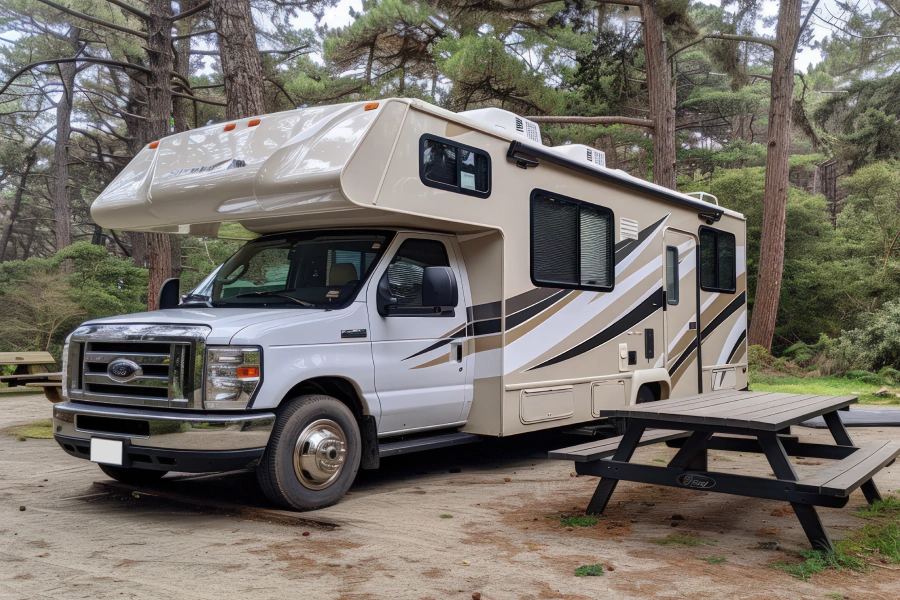
Why Choosing the Right RV Park Matters
Not all RV parks are the same. Some offer full hookups, Wi-Fi, and modern amenities, while others are more rustic and minimal. That’s why finding RV parks that match your travel style is essential.
A good RV park can provide:
- Safe and secure parking
- Electrical, water, and sewer hookups
- Clean restrooms and showers
- Recreational areas and activities
- Easy access to nearby attractions
Choosing the right park ensures comfort, convenience, and peace of mind during your trip.
Best Ways to Find RV Parks
If you’re wondering how to find RV parks quickly and efficiently, there are several reliable methods you can use. Combining different approaches often gives the best results.
1. Use an RV Park Locator Tool
One of the easiest ways to find RV parks is by using an RV park locator app or website. These tools are designed specifically for RV travelers and allow you to search based on:
- Location
- Price range
- Amenities
- RV size compatibility
- User reviews
Popular RV locator tools help you filter options and compare parks side-by-side, saving time and effort.
2. Plan Ahead With Mapping Apps
General map apps can also be useful when searching for RV parks along your route. You can search for nearby campgrounds, rest stops, or RV-friendly locations as you plan your journey.
This method is especially helpful for spontaneous trips or last-minute stops.
3. Check RV Travel Communities
Online RV forums and travel groups are great places to discover hidden gems. Experienced travelers often share recommendations for the best way to find RV parks that are affordable, quiet, or scenic.
You can learn about:
- Hidden or lesser-known RV parks
- Honest reviews from real travelers
- Seasonal tips and availability updates
4. Use Dedicated RV Park Websites
Many RV parks have their own websites where you can view availability, pricing, and amenities. This is especially useful when planning ahead for busy travel seasons.
These websites often include photos, site maps, and booking options.
5. Ask for Local Recommendations
If you’re already on the road, local businesses, gas stations, or visitor centers can help you with finding RV parks nearby. Locals often know the best spots that may not appear in online searches.
How to Choose an RV Park
Once you’ve learned how to find RV parks, the next step is understanding how to choose an RV park that fits your needs. Not all parks are created equal, so it’s important to evaluate your options carefully.
1. Check Amenities
Think about what you need for your trip:
- Full hookups (electric, water, sewer)
- Wi-Fi and cell service
- Laundry facilities
- Pet-friendly areas
- Swimming pools or recreation spaces
Choose a park that matches your comfort level and travel style.
2. Consider Location
Location plays a big role in your RV experience. Ask yourself:
- Is it close to attractions or highways?
- Is it quiet or more active?
- Does it offer scenic views or natural surroundings?
A well-located RV park can enhance your overall trip experience.
3. Read Reviews and Ratings
Before booking, always check reviews from other RV travelers. This helps you avoid unpleasant surprises and gives you insight into:
- Cleanliness
- Staff friendliness
- Safety
- Noise levels
4. Check Size and Accessibility
Not all RV parks can accommodate larger RVs or trailers. Make sure the site:
- Has wide roads and parking spaces
- Can handle your RV length
- Offers easy entry and exit
5. Compare Prices
RV park prices can vary widely depending on location and amenities. Compare a few options before making a decision to ensure you’re getting the best value.
Tips for Finding RV Parks on the Road
If you’re traveling without a strict plan, here are some quick tips to help you find RV parks easily:
- Use GPS-based RV apps while driving
- Keep a list of backup parks along your route
- Look for signs on highways indicating nearby campgrounds
- Travel during off-peak seasons for better availability
- Book ahead during holidays or busy travel periods
These small strategies can make a big difference when you’re on the move.
Common Mistakes to Avoid
When learning how to find RV parks, avoid these common mistakes:
- Waiting until the last minute to book during peak season
- Ignoring park rules and restrictions
- Not checking RV size compatibility
- Overlooking user reviews
- Choosing price over safety and comfort
Avoiding these issues will help you have a smoother and more enjoyable trip.
Final Thoughts
Knowing how to find RV parks is essential for any RV traveler, whether you’re heading out for a weekend escape or a cross-country adventure. With the right tools, such as an RV park locator, and a clear understanding of what to look for, you can easily find parks that match your needs and travel style.
By combining smart search strategies, careful planning, and thoughtful decision-making, you can enjoy stress-free camping experiences wherever the road takes you. The key is to plan ahead, stay flexible, and choose RV parks that enhance your journey.